Where is that check in the mail going?
/For many years, mailing a check felt normal. You wrote the check, put it in an envelope, dropped it in the mail, and that was that.
Unfortunately, that old habit has become riskier.
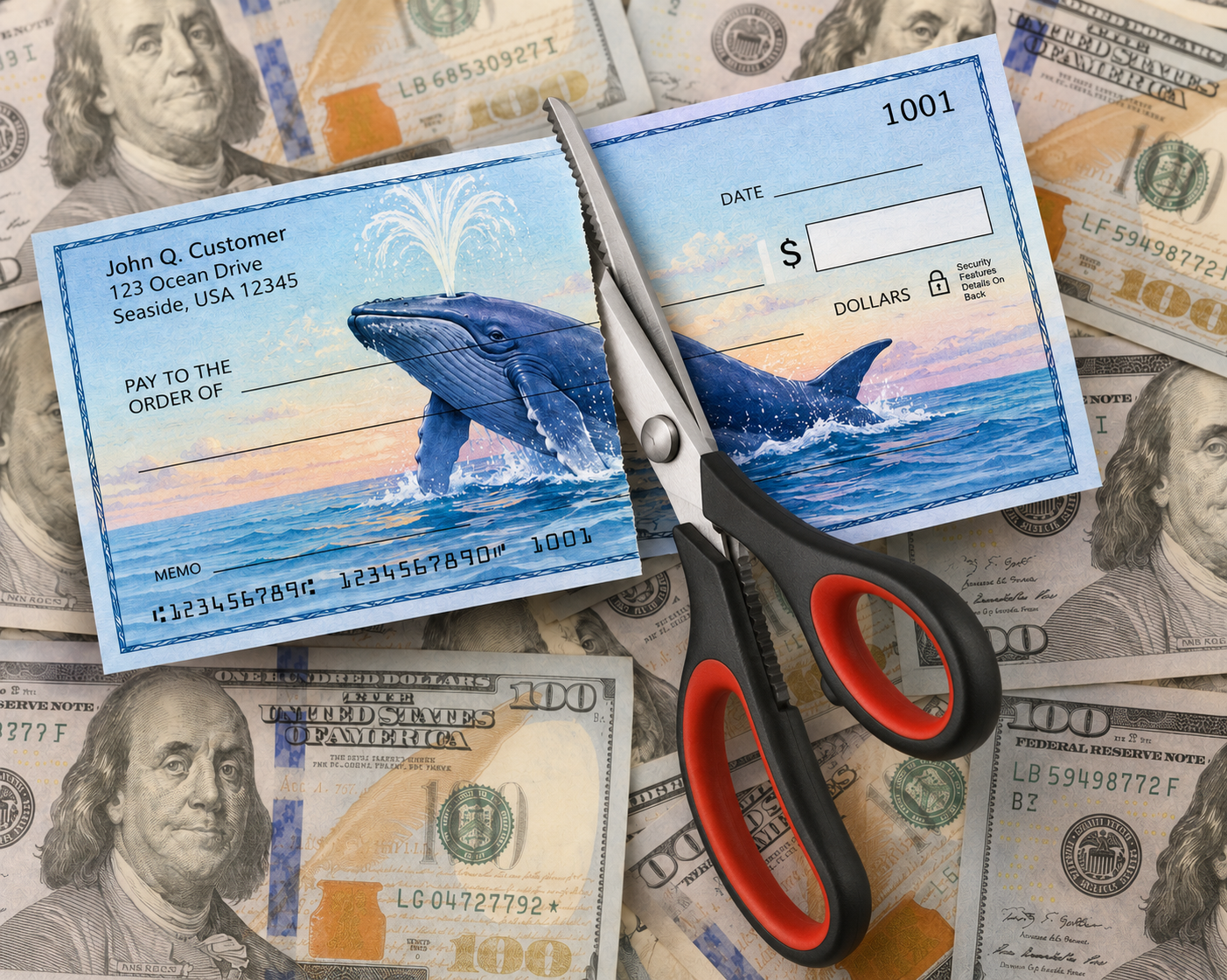
The problem is not just that a check might get lost. The bigger problem is that a check can be stolen, altered, and cashed by someone who was never supposed to receive it. This is often called check washing. A criminal steals a check from the mail, removes or changes the payee name or dollar amount, and then deposits the check into another account.
A stolen check can also be used as a template to create fake checks using your account and routing numbers. Those numbers are printed right on the bottom of every check.
That is one of the uncomfortable truths about checks. When you send someone a check, you are also sending out your bank account number, your routing number, your name, your address, your signature, and sometimes your phone number. That is a lot of useful information for a thief.
Most checks still go where they are supposed to go. But mailing checks is no longer the low-risk routine it once seemed to be.
Better Ways to Pay Bills: Bill Pay
For many bills, the best replacement for a check is your bank’s own online bill pay system.
With online bill pay, you log in to your bank’s website or app and tell the bank who to pay. In many cases, the bank sends the payment electronically. If the recipient cannot accept an electronic payment, the bank may mail a check for you.
That may sound similar to mailing a check yourself, but it is generally safer. You are not putting your own handwritten check in the mailbox. You are not exposing your personal check, signature, and account information. And the payment is tracked inside your bank account.
Direct Payments at the Company’s Website
For some bills, paying directly on the company’s official website may be even better. This works well for utilities, insurance companies, credit cards, mortgages, medical bills, and government payments. Many companies let you pay by bank transfer, debit card, or credit card.
Just be careful. Do not click payment links in suspicious emails or text messages. Go to the company’s website yourself by typing the address or using a bookmark you created. Also look for fees before you click Pay. Some companies allow free bank transfers but charge a fee for credit cards.
Payment Apps Are Not All the Same
Zelle is built into many bank websites and banking apps. For most consumers, it is free, and the money usually arrives quickly. That speed is both the advantage and the danger. Zelle is best for people you know and trust. It is not ideal for paying strangers, because if the transaction turns out to be a scam, getting the money back can be difficult or impossible.
I prefer that my clients pay me through Zelle, as it is secure, free, and bank-to-bank, without a middleman (middleperson). Of course, I take most other kinds of payments as well.
Venmo is useful for casual payments, such as splitting dinner, reimbursing a friend, or paying a family member. It is usually free for personal payments when you use your Venmo balance, a linked bank account, or a debit card. Venmo usually charges a fee if you use a credit card. Business transactions are different. If a business receives payment through a Venmo business profile, Venmo charges the seller a transaction fee.
There is also a privacy issue with Venmo. It was designed as a social payment app. Depending on your settings, other people may be able to see who you paid, who paid you, and the note attached to the payment. Even if the dollar amount is not shown, the transaction itself can reveal more than you intended. Set your default payment privacy to Private, and consider making past payments private too.
Apple Cash is convenient if both people use Apple devices. Google Pay and Google Wallet have changed over time. For most people, Google Wallet is now mainly useful for storing cards, making tap-to-pay purchases, and managing passes.
PayPal Needs Extra Care
PayPal can be useful, but you need to choose the right kind of payment.
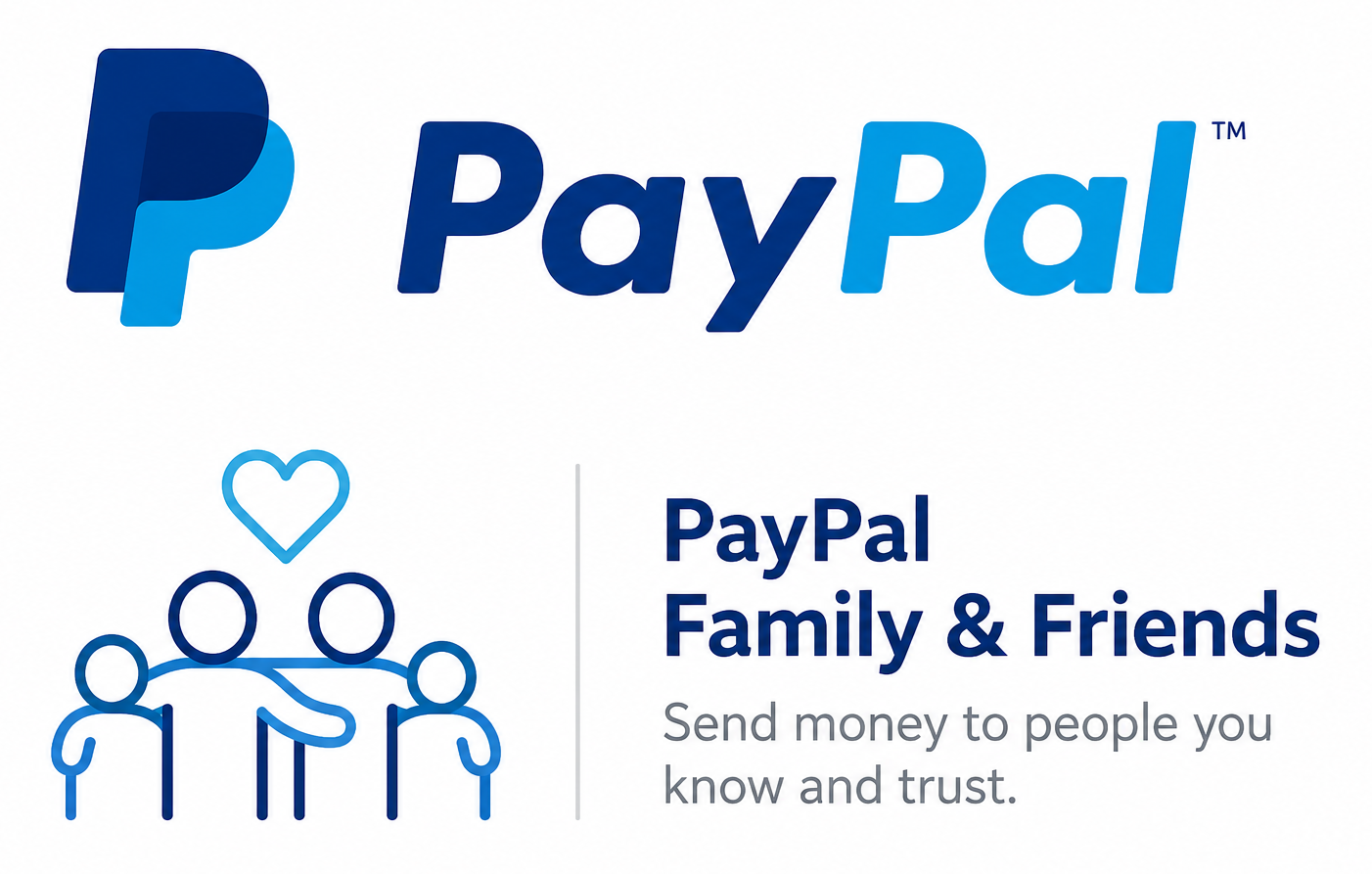
PayPal Friends and Family is for personal payments. It is meant for sending money to a relative, reimbursing a friend, splitting a meal, or paying someone back for a shared expense. It is not meant for buying something from a stranger.
The advantage is that PayPal Friends and Family can be free in many domestic situations when funded from a PayPal balance or linked bank account. The big disadvantage is protection. Friends and Family payments do not include PayPal Purchase Protection. If a seller says, “Pay me with Friends and Family so we can avoid fees,” that is a red flag.
PayPal Goods and Services is the better choice when you are buying something. It may give the buyer some purchase protection, depending on the transaction and PayPal’s rules. The seller usually pays a fee, but from the buyer’s point of view, that fee is part of doing business safely.
PayPal can also be useful for receiving business payments, but it is not the same as having money deposited directly into your bank account. PayPal can hold funds, place a reserve on the account, or limit access to your money if it sees a risk problem or there is a dispute from a buyer
Many businesses use PayPal successfully. But you should not assume PayPal money is fully available until it has been transferred to your bank and cleared. In payment-hold situations, funds can be unavailable for months.
Free Can Mean Less Protection
Many payment methods can be free if used the right way. Online bill pay through your own bank is usually free. Paying through a company’s official website by bank transfer is often free. Zelle is usually free for consumers. Venmo is usually free for personal payments when funded by a Venmo balance, bank account, or debit card. PayPal Friends and Family can be free for some domestic personal payments. Apple Cash standard bank transfers are free.
But “free” can also mean less protection. If you accidentally send money to the wrong person, you may not be able to get it back. If you send money to a scammer, you may not be able to get it back. If you use a “friends and family” payment method to buy something from a stranger, you may not be covered by purchase protection.
For people you know and trust, free services like Zelle, Venmo, Apple Cash, or PayPal Friends and Family, may be fine.
For purchases, strangers, online sales, marketplace transactions, or anything where you might need protection, use a credit card, a legitimate checkout page, or PayPal Goods and Services.
Paying a fee is annoying. Losing the whole payment is worse.
Avoid Storing Balances in Payment Apps
Payment apps are useful for moving money. They are not the same thing as a bank account, and you don’t earn any interest on your money.
If someone sends you money through Venmo, PayPal, Apple Cash, Google Pay or Google Wallet, or another online payment system, transfer the money to your bank. Do not let balances build up in the app.
Money sitting in a payment app may not have the same protection as money sitting in a federally insured bank or credit union account. If your payment-app account is compromised, frozen, restricted, or locked, you may have trouble getting access to the money quickly.
When You Still Have to Write a Check
There are still times when a paper check may be necessary.
If you must mail a check, do not leave outgoing checks in your home mailbox with the flag up. Use a secure mail slot inside the post office when possible. For important or larger checks, consider certified mail, tracking, or another delivery method.
Use a black gel pen. Fill out every line carefully. Do not leave extra space before or after the payee name or dollar amount.
Check your bank account regularly after mailing a check. Make sure the check cleared for the correct amount and to the correct recipient.
If you discover that a check was stolen, altered, or cashed by the wrong person, contact your bank immediately. You may also need to file a report with the U.S. Postal Inspection Service if the check was stolen from the mail.
The Bottom Line
Checks are not gone, but they are no longer the safest way to pay.
Whenever possible, use your bank’s online bill pay or the official payment system on the company’s website.
Use Zelle, Venmo, Apple Cash, and PayPal Friends and Family, mainly for people you know and trust. Use PayPal Goods and Services or a credit card when you are buying something and want more protection.
Set Venmo payments to Private. Do not store money in payment apps. Transfer balances to your bank.
Save paper checks for the situations where there really is no better option.
The goal is not to make paying bills complicated. The goal is to stop sending thieves exactly what they need.